
EMTAT LTD: Circular Environmental Technology.
Transforming accumulated marine plant biomass (Posidonia oceanica residues) into next-generation industrial materials: breathable zero-carbon heritage mortars, high-performance bio-aramid textile yarns, and ultra-high-porosity respirator filtration carbon.
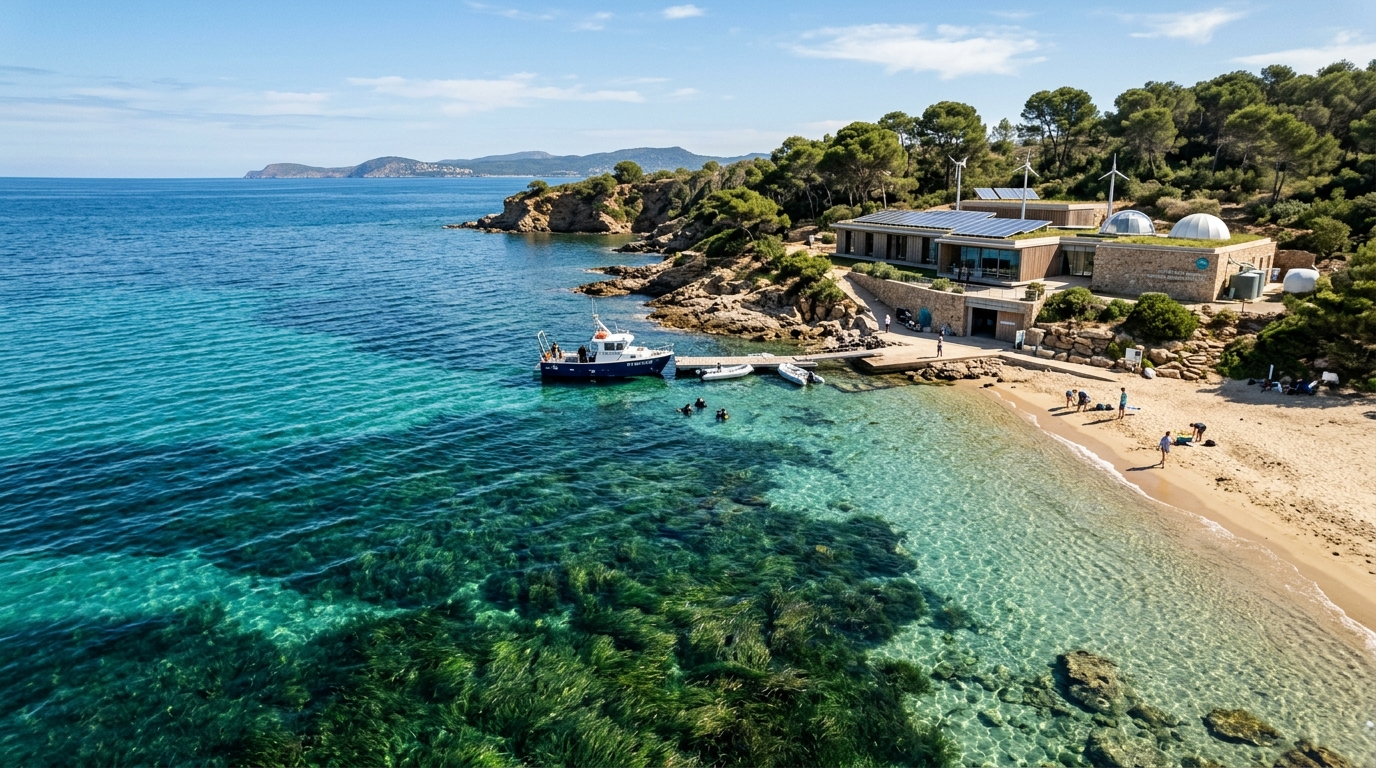
Engineered Circular Solutions for Modern Challenges
Each EMTAT technology is engineered to replace harmful fossil fuels, synthetic additives, or toxic binders with natural, regenerative marine plant materials.
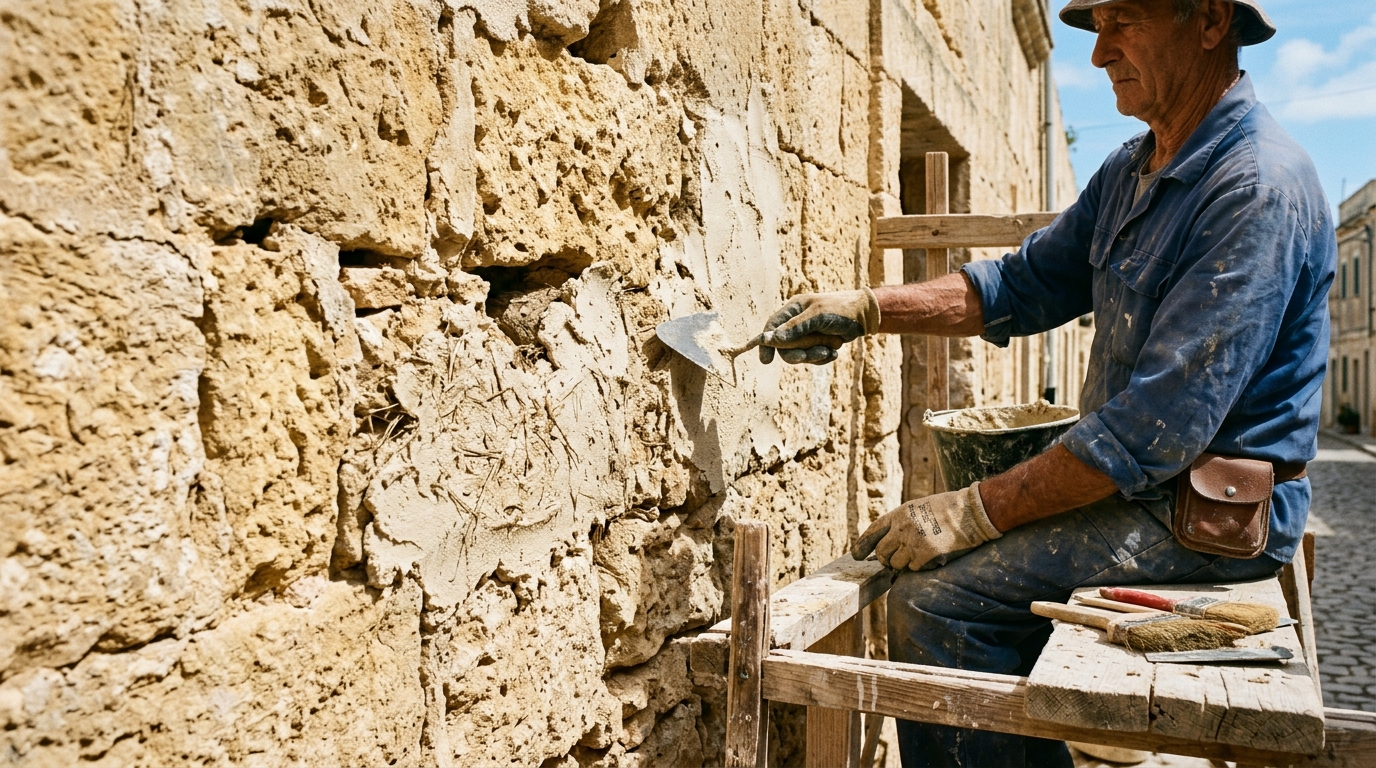 Heritage Conservation
Emtat Mortar & DaVinci
Innovative eco-friendly composite mortar and structural plaster utilizing processed marine plant biomass (Posidonia oceanica) and lime. Prevents rot, mold, and salt damage with zero carbon emissions.
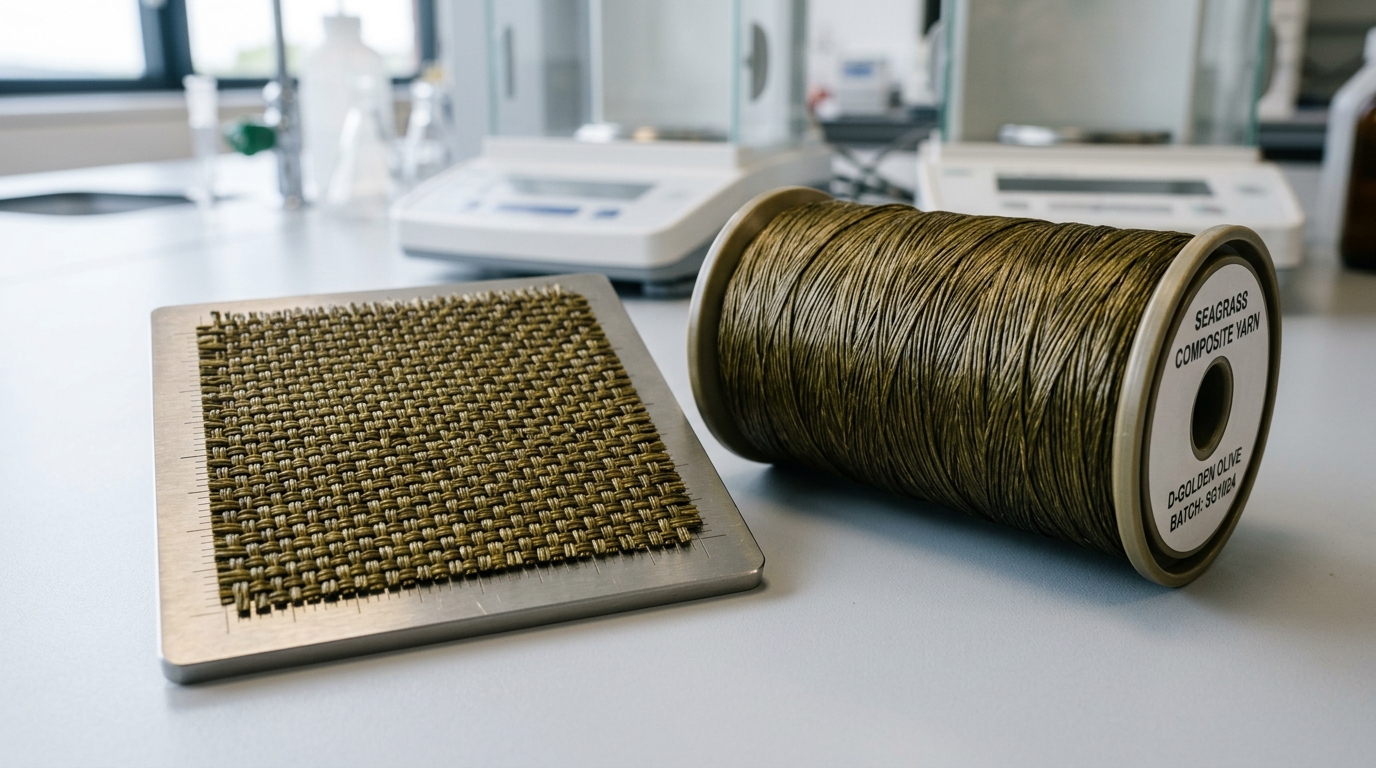 Technical Textiles
Composite Textile Yarns
Ultra-fine, high-durability composite yarns derived from marine seagrass waste. Fully bio-based with inherent flame resistance and antimicrobial properties, eliminating synthetic aramid fibers (Kevlar/Nomex).
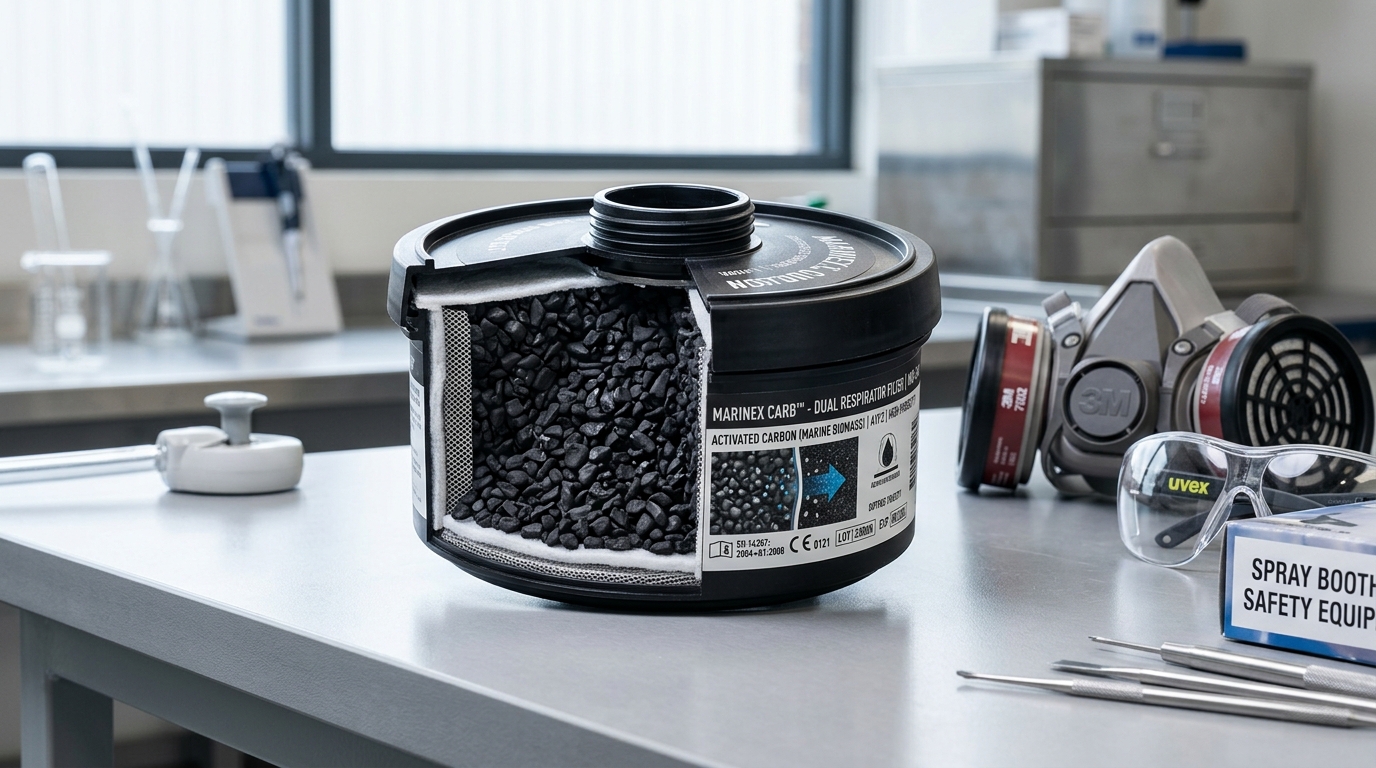 Respiratory Safety
Eco Filtration Cartridges
High-efficiency activated carbon from accumulated Posidonia oceanica waste. Engineered for industrial automotive spray booths and chemical plants to capture hazardous VOCs and protect respiratory health.
Why Posidonia oceanica Residues?
Every autumn and winter, millions of tonnes of natural marine plant residues (known colloquially as Neptune grass balls and coastal seagrass wrack) wash ashore across Mediterranean coastlines. Traditionally treated as unwanted municipal waste, EMTAT converts this abundant natural resource into high-performance industrial raw materials.
Zero Carbon Footprint
Replaces high-emission clinker cement and fossil bituminous coal with biologically sequestered marine plant carbon.
No Farmland Depletion
Unlike coconut shell activated carbon, EMTAT consumes zero agricultural acreage, freshwater, or food supply systems.
Inherent Resistance
Marine plant fibers contain natural mineralized silica and polyphenols that naturally deter mold, flame, and decay.
Resilient Supply Chain
Direct coastal collection bypasses complex overseas transoceanic shipping routes, shielding manufacturers from global shocks.
EMTAT LTD · Registered in London
Led by Director Abdulsalam Misbah Emtat Abu Arqoub, operating from Office 7005CY, 182-184 High Street North, London E6 2JA. EMTAT collaborates with heritage conservators, PPE manufacturers, and industrial coating facilities internationally.